Published: 24 February 2026
Word Count: 1,420
If you asked me what my favorite piece of fictionfolk art was, I think I'd probably answer with these LiveJournal icons from the era of early "otakukin" posting. They were originally created to push back against insincere internet trolls, but whether or not they were actually made to promote copyright abolition, I think that "my soul is a copyright violation" is a slogan that we as a collective of fictionfolk should take to heart.
There is much debate in fictionfolk circles around proper "etiquette" and when and where it's most appropriate to talk about our fictionhood, especially when it comes to smaller sources where the creator (i.e. intellectual property holder) might be able to see fictionfolk claiming to be "their" characters. The issues with smaller sources aren't just limited to fictionfolk, either, with fandoms at large often viewing the creator as some sort of divine arbiter; you can't draw fanart of [x] ship or use these characters in [y] manner because the creator said so, and so on and so forth. It's a very bizarre and, in my opinion, antithetical way to conduct fandom, but that's beside the point.
What I'm trying to get at is that ideas of "copyright violation" and "ownership" of fictional characters are still a pervasive problem in fictionfolk spaces almost twenty years after those original "otakukin" icons were made. I have seen countless anonymous asks sent by young fictionfolk to older members of the community in distress about having a 'type from a source with a controlling indie author, begging to know whether or not it's really "okay" for them to have that 'type. Hell, I've seen discourse about fictionfolk needing to "respect artists" that follow nearly verbatim the troll arguments about fictionhood being a "copyright violation." Take for example this anonymous ask that I found while scrolling through an old defunct 'kin blog; I don’t remember the exact date when it was posted, but it couldn't have been earlier than 2019:

Ignoring the in/voluntary identity discourse minefield that is the middle paragraph of this ask, what makes these sorts of sentiments so frustrating is that under our current system of copyright, they aren't technically wrong. Intellectual property holders have full control of the creation and distribution of their IPs (and while Fair Use does add some nuance to this situation, it's not nearly as much as most people think), meaning they would be well within their rights to tell any fictionfolk they saw claiming the identity of characters they hold exclusive ownership of to stop identifying in such a way (at least openly). Of course, this is unlikely to happen in most scenarios, since random people online claiming to be fictional characters does very little to hurt the (hypothetical) bottom line of most corporations, but the fact that the legal groundwork exists for something like that to happen at all is an absolute nightmare.
I think that copyright abolition is a stance that any principled member of society outside of megacorporations (or petty bourgeois temporarily embarrassed Vivziepops) should hold, but this is especially true of fictionfolk. Without any exaggeration, I fully believe that in order to be fictionfolk, you have to adopt an anti-copyright stance. If our identities and the ability to express them is left to the whims of any outside force at all, whether or not they claim to have our best interests in mind, the community will not be able to survive. Our fictionhood is our own, regardless of how "uncomfortable" it makes some creators.
I know that some people hesitate to embrace copyright abolition because they have bought into the capitalist propaganda that the true purpose of copyright is to protect individual artists and their works, so allow me to provide a few counterpoints for those people to consider:
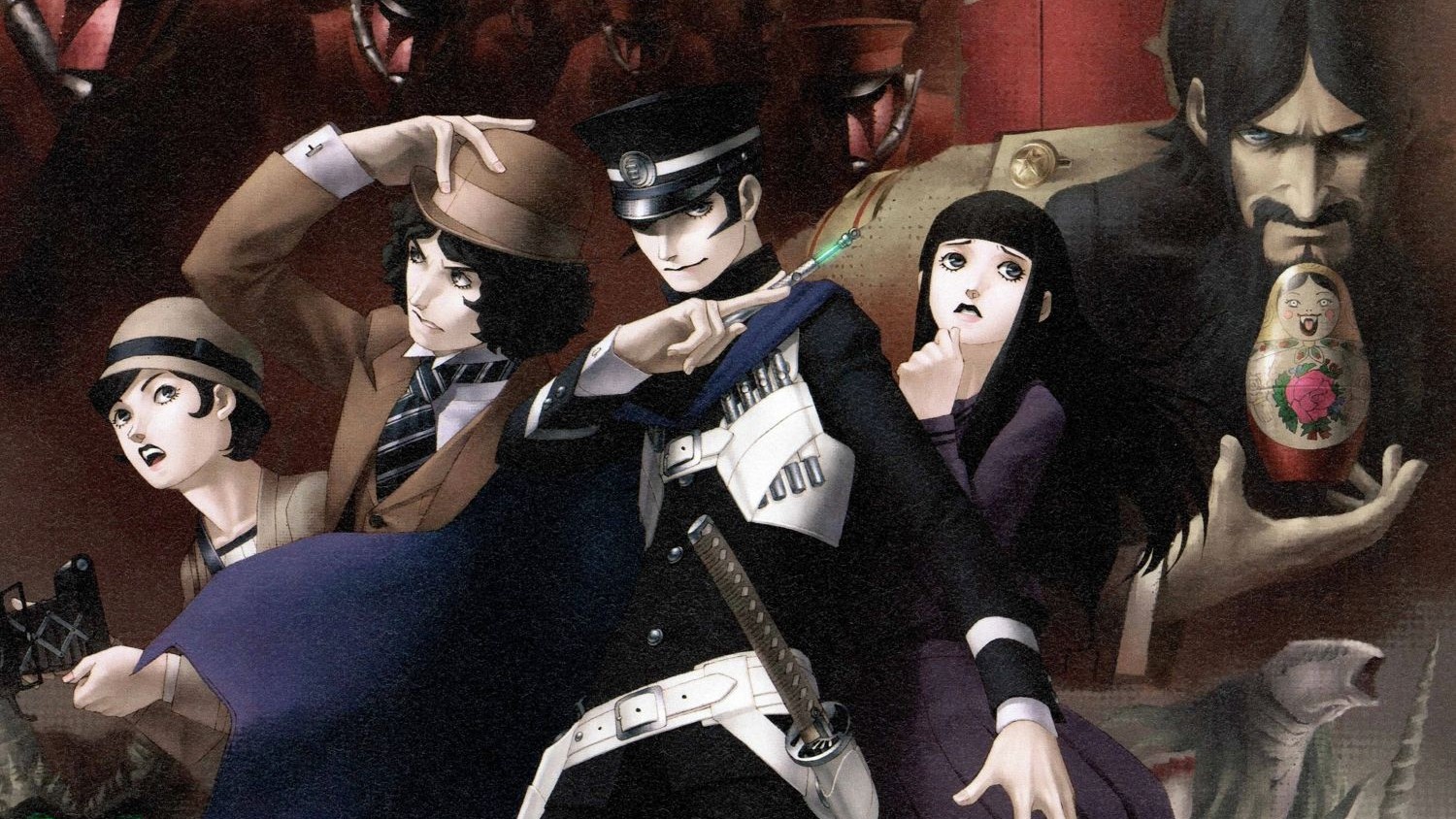
- Copyright does not protect "the little guy." I think that many people who support copyright only ever imagine artistic creation from the perspective of the lone auteur who is the sole creator, and thus owner, of any given artistic work. This is not true in the vast majority of cases! Most artists are hired by corporations (think Disney, Nintendo, etc.) to create work for them, and then the corporations claim intellectual property ownership over those creations, not the original artists. For example, Kazuma Kaneko, who worked at Atlus as the lead artist for the Megami Tensei series for years and created some of the series' most iconic designs, including series mascot Jack Frost, does not own any of the designs he created during his time at Atlus now that he's departed from the company. Those designs still belong to Atlus, who gets to profit off of their use while artists like Kaneko who put in the actual work are paid in wage labor. If you know anyone who worked any sort of corporate (animator, etc.) artist job, ask them whether or not they get any residuals for their work. Unless they were a big shot at the company they worked at, the answer is probably going to be "no." Corporations are far more likely to use copyright as a cudgel to screw over small artists as well. Think about the countless YouTube videos that have been demonetized or copyright struck by groups like Warner Brothers or UMG for containing the slightest scrap of footage of a property they own. Think about the current state of copyright in the music industry, just in general. Smaller artists and creators are constantly cut off from their own sources of income just so megacorporations can further line their already fat pockets. This is not a fair or equal system at all!
- "Copying" and "stealing" are not the same thing. This point might be a bit controversial even among my fellow critics of copyright, but I fully believe that piracy and downloading works "without permission" is perfectly acceptable even in the case of small indie artists. Let me put it this way: someone can download the .jpeg file of a drawing you uploaded to the internet. They can even try to sell it for money! But even then, you are the only one who owns the original image files; you are the only one who can create new works in the exact style that customers are seeking to buy your art for. Even in an age where AI has vastly improved its ability to mimic art styles, you still own all of the art that you create and can continue to make money off of it if you'd like. And as much as it hurts to hear, most people who resort to downloading your art without permission or creating AI imitations were never going to actually commission you anyways. Likewise, downloading a ROM of a pirated video game does not deprive anyone of their original, legitimately purchased copy of the game. I know this because I've ripped and uploaded ROMs of games that I own to the internet before. I can still play those games whenever I want! And again, in the vast, vast majority of cases, copyright will only ever protect the interests of wealthy corporations who have the money and manpower to file lawsuits in the first place.
- The purpose of a system is what the system does. Copyright supporters can wax poetic all they want about the "true" purpose of copyright, but despite whatever "pure intentions" it may have started with (which is to say, none), the fact of the matter is that in the here and now it exists as a tool for the bourgeois class to further control and monopolize capital. There is no universe in which we can "revert" or "transform" copyright into its ideal form as a means to provide livelihood for small artists; it must be abolished, full stop.
Copyright serves no purpose for us as fictionfolk. Our identities should not be owned by billion-dollar corporations with the ability to punish us for expressing our fictionhood in the "wrong" way. For that matter, our identities shouldn’t be controlled by smaller creators either, who may not have the same financial or legal power, but can certainly ostracize or call for the mass harassment of fictionfolk by weaponizing the social clout they’ve earned from their loyal fanbases. We deserve to exist openly the same as anyone else, and for that purpose we as a community must rally around copyright abolition as a cause to put control of our fictionhood in our own hands.
We are all walking copyright violations, and we should be proud of that fact.